As the cotton harvest gets under way, Prof. George Vlontzos (UTH), leader of the GREENCOOP Living Lab in Thessaly, asks what it will take to keep cotton farming alive in Greece.
The cotton harvest is under way across Greece, which produces around 80% of the European Union’s cotton. On 25 September 2026, the Greek agricultural newspaper Ypaithros Chora marked the season with a special supplement: Greek Cotton: The Next Day (Ελληνικό Βαμβάκι: Η επόμενη μέρα). Its editors gathered views from every link of the value chain, from growers to consumers. Contributors include the Ministry of Rural Development and Food, the Region of Thessaly, ginners and exporters, seed companies, cooperatives, researchers, certification bodies and fashion designers.
Among them is Prof. George Vlontzos, Professor of Agricultural Economics at the University of Thessaly (UTH). He also leads the GREENCOOP Living Lab in Thessaly, Greece, which focuses on cotton. His article, translated below, asks a simple question: is there a future for Greek cotton? In his view, the answer depends on whether risk, know-how and added value can be shared more fairly along the chain, from field to market.
Is there a future for Greek cotton?
Contemporary challenges in a new environment
Author: Prof. George Vlontzos, Professor of Agricultural Economics, University of Thessaly
Greece is the dominant cotton-producing country of the European Union, consistently accounting for 80% of the EU’s cotton area and production. Cotton covers around 6% of the country’s total agricultural land and directly or indirectly supports more than 140,000 workers and growers.
In recent years (2024–2026), however, the sector has recorded a downward trend in cultivated area, owing to higher production costs, climate challenges and profitability issues. The cultivated area has dropped below its traditional average of 250,000 hectares. For 2025/2026, it stood at around 195,000 to 200,000 hectares.
Ginned cotton production has declined
Seed cotton output usually ranges between 600,000 and 700,000 tonnes. In terms of ginned cotton, production has retreated from its historical highs and now hovers around 1 million bales (approximately 250,000 to 280,000 tonnes). Greece consistently ranks between 10th and 12th worldwide in production and 7th in exports.
The main challenges facing the sector include international competition, with Brazil now the main competitor of Greek cotton, having aggressively entered Greece’s traditional markets (Türkiye and Egypt, which absorb 60% to 70% of Greek exports). Climate change is increasing irrigation needs, while variable production costs (mainly fertilisers and energy) are squeezing growers’ profit margins, leading many to switch to alternative crops. Even so, Greek cotton remains highly popular internationally thanks to its high purity, whiteness and fibre length.
This situation has resulted from a series of strategic changes in the Common Agricultural Policy (CAP), where the internal convergence mechanism (the gradual alignment of direct payment values among farmers) significantly reduced the subsidies previously granted through income support. At the same time, the new regime highlights the negative effects of small farm size, the virtually non-existent collective procurement of inputs, which could decisively reduce variable production costs, and cotton growers’ long-standing inability to capture a share of the product’s added value.
The allocation of risk
In essence, the new environment of agricultural policy and market functioning exposes an unbalanced allocation of the risk that comes with this crop. Every year, growers are called upon to cover their production costs with very limited resources. The risk-hedging mechanisms at their disposal are ELGA (the Hellenic Agricultural Insurance Organisation), which covers part of the production losses caused by natural phenomena; in exceptional cases and after thorough documentation, compensation for lost income through de minimis state aid; and new tools being introduced under the new CAP. What is particularly striking is that, although the new CAP exposes growers to market-related risks to a greater degree, the actors in the cotton value chain have not taken corresponding risk-hedging initiatives to better protect the production process in the field.
No purchase contracts for seed cotton
In many cotton-producing countries, purchase contracts for seed cotton are available, with prices expressed on a ginned-cotton basis and linked to futures contracts; in Greece, such contracts practically do not exist. In comparable cases of industrial crops, or of products requiring immediate industrial processing (processing tomatoes, peas and other frozen vegetables), the market itself has developed mechanisms to monitor and guide the use of inputs, advisory support for the correct and uniform execution of field operations, and monitoring networks for major pests and diseases, with the ultimate aim of achieving homogeneous quality in the raw material. Nothing of the kind has emerged for cotton so far. The state’s substantive withdrawal from advisory support for the production process, beyond the agricultural warnings issued by the regional Directorates of Agricultural Economy and Veterinary Medicine (DAOK) and its intervention in how the market operates, has left a gap that is hard to fill and that aggravates the negative effects of the sector’s competitiveness deficit.
Protocol 4
On the other hand, the existence of a special support framework for the crop, through the unique coupled support mechanism known as Protocol 4 (the basis of the EU’s crop-specific payment for cotton), is a significant factor, and one to be reckoned with, in keeping cotton cultivation in the country. It works in combination with the know-how and infrastructure built up over the decades that Greece has been producing cotton.
What is needed
It is therefore imperative to launch a substantive and honest dialogue, mainly among the market actors that make up the cotton value chain, aimed at rebuilding the way it operates. Growers need to be relieved of risk through universal contracting of production, with modern contracts linked to cotton futures. Also needed are:
- collective schemes able to approach the market reliably, both to secure working capital and to purchase inputs collectively;
- uniform production protocols, adapted to local conditions;
- the expansion of drip irrigation;
- collective field operations (outsourcing) for small farms that cannot sustainably acquire the necessary machinery.
Bold moves of this kind, with a direct positive impact on farm sustainability, may be the answer to recent policy developments, capable of keeping the crop in the country and thereby securing part of the total income of growers in lowland areas. The responsibility is collective, and the time to react is extremely limited!
Why this matters for GREENCOOP
GREENCOOP (Green Transition through Cooperation models) helps farmers and rural communities develop business models in which they play a stronger role in food and value chains. The project runs 17 Living Labs, 15 in Europe and 2 in China, where farmers, advisors, businesses, researchers, citizens and policymakers co-create and test agroecological and digital innovations.
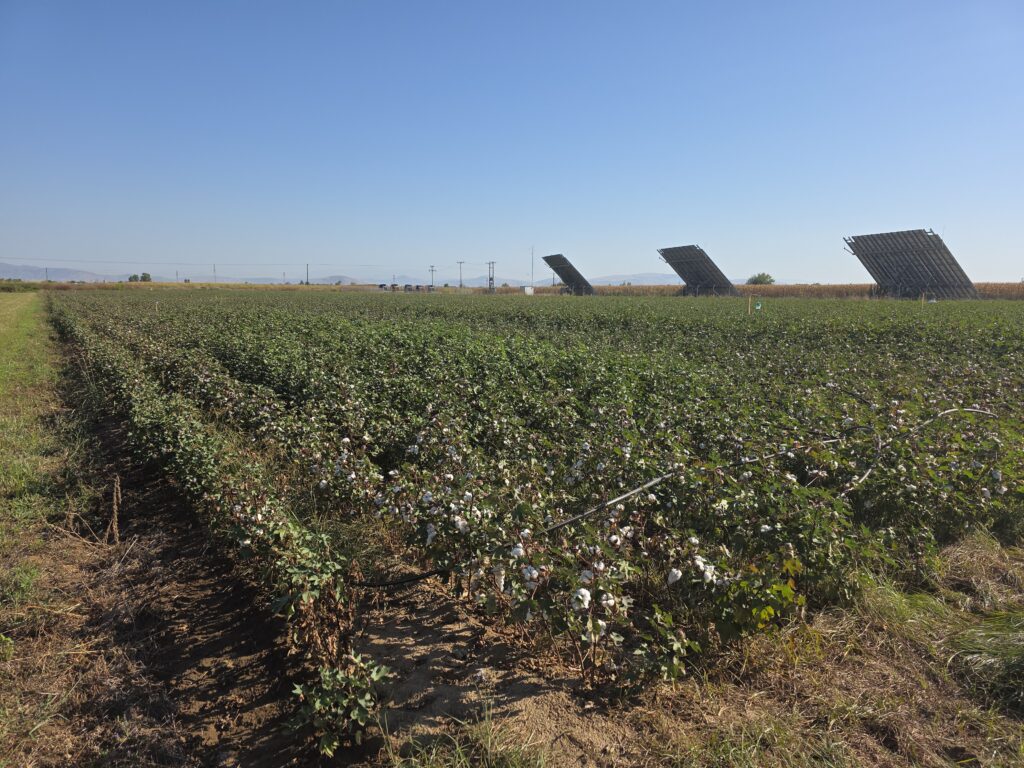
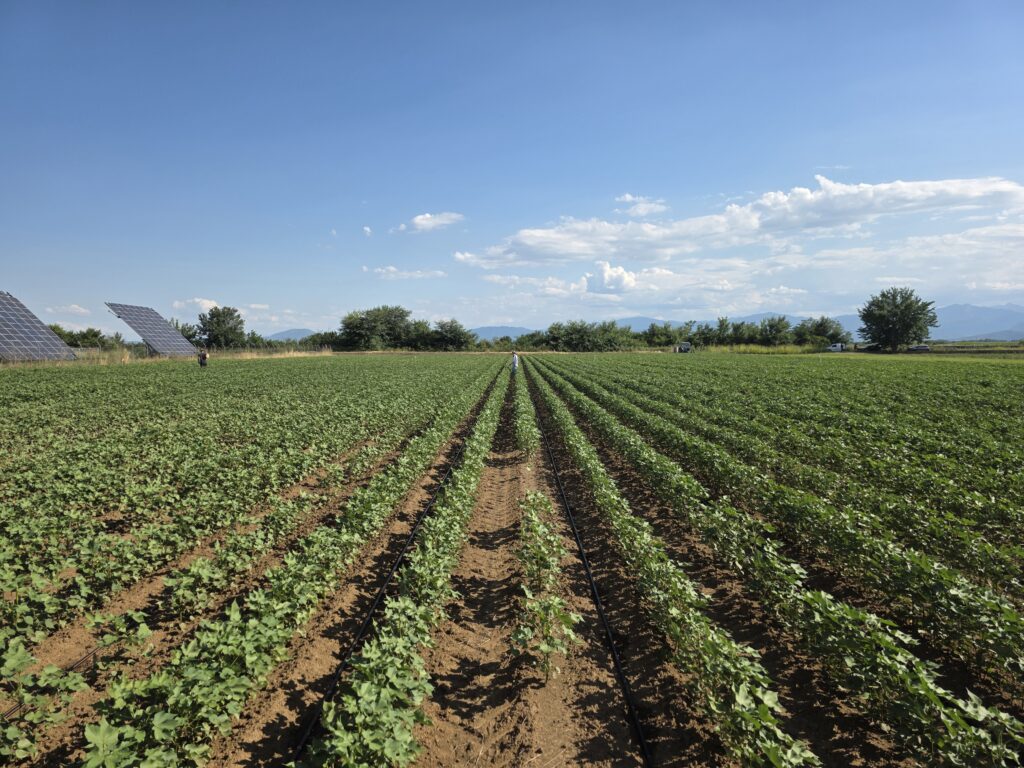
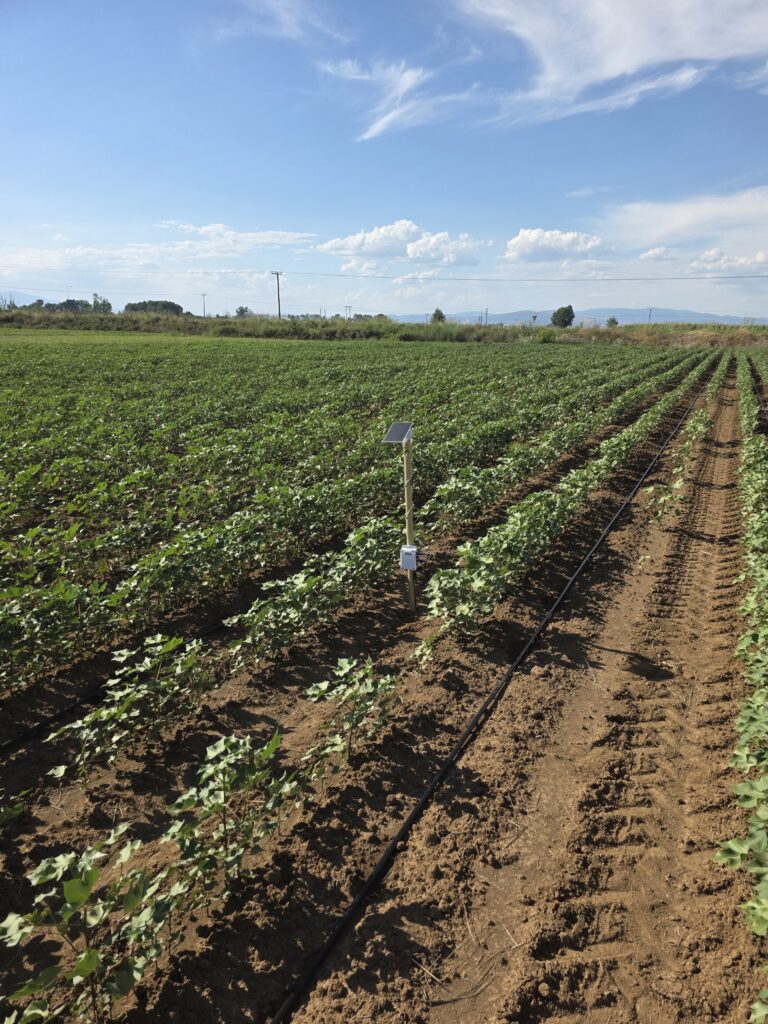
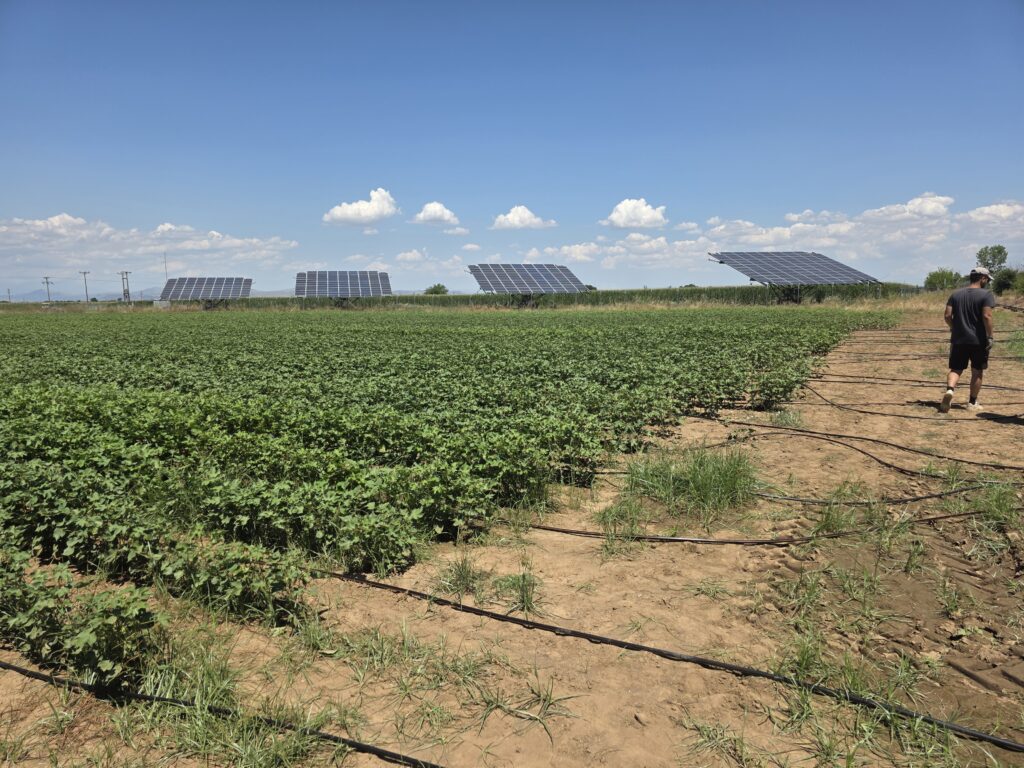
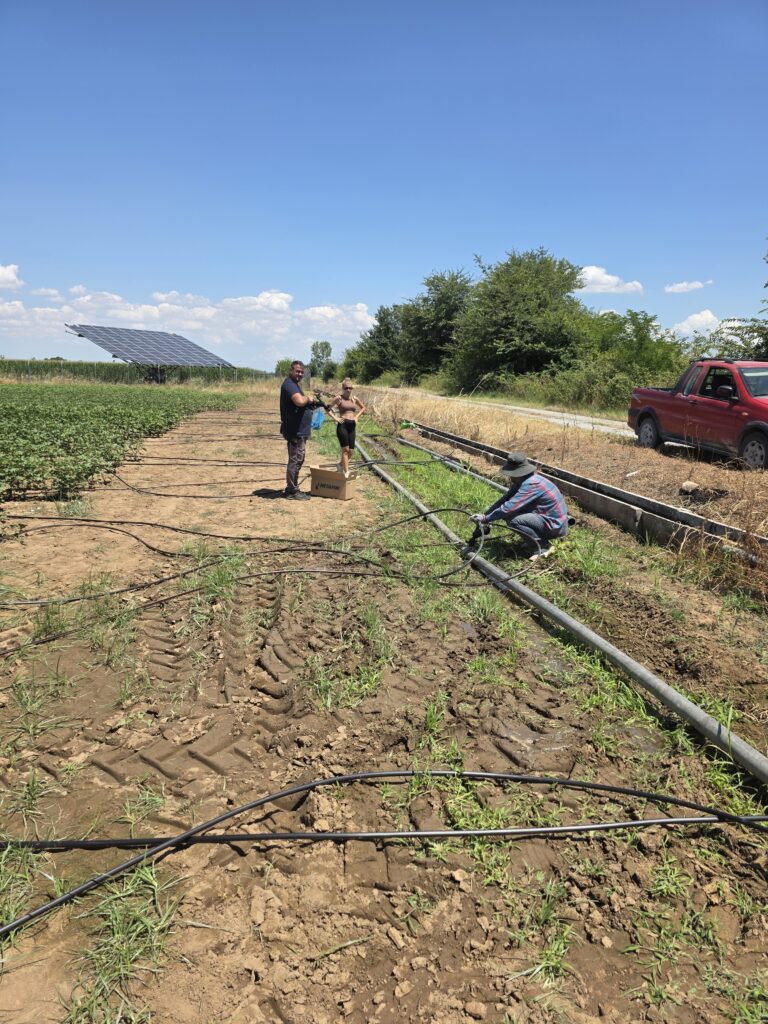
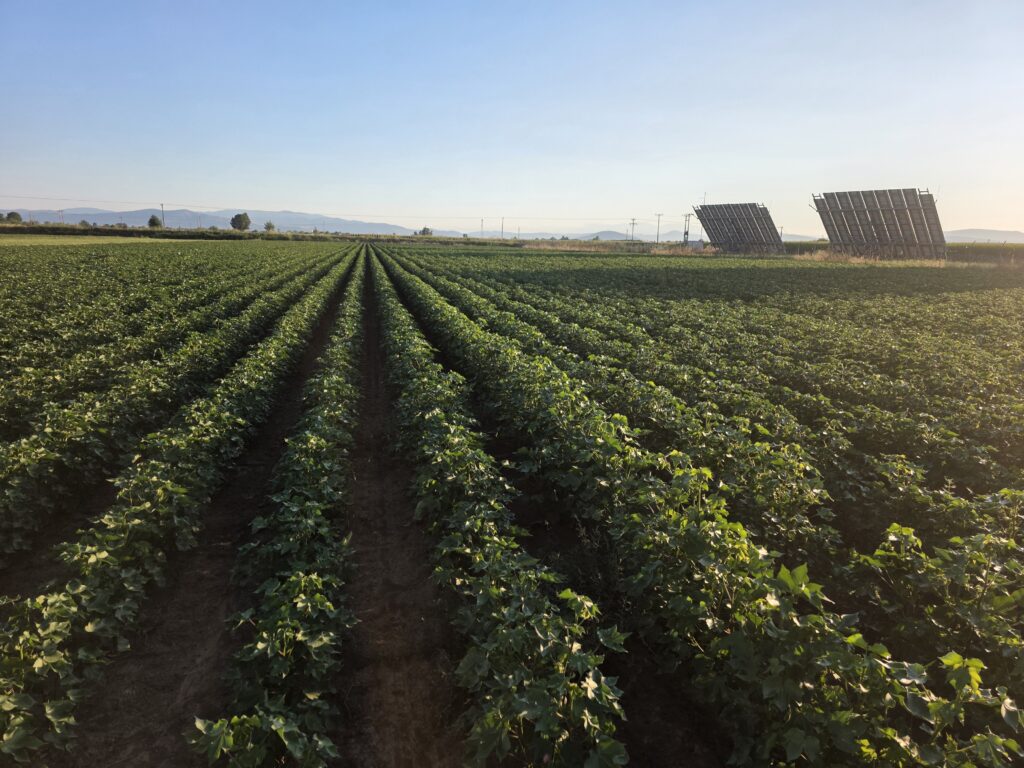
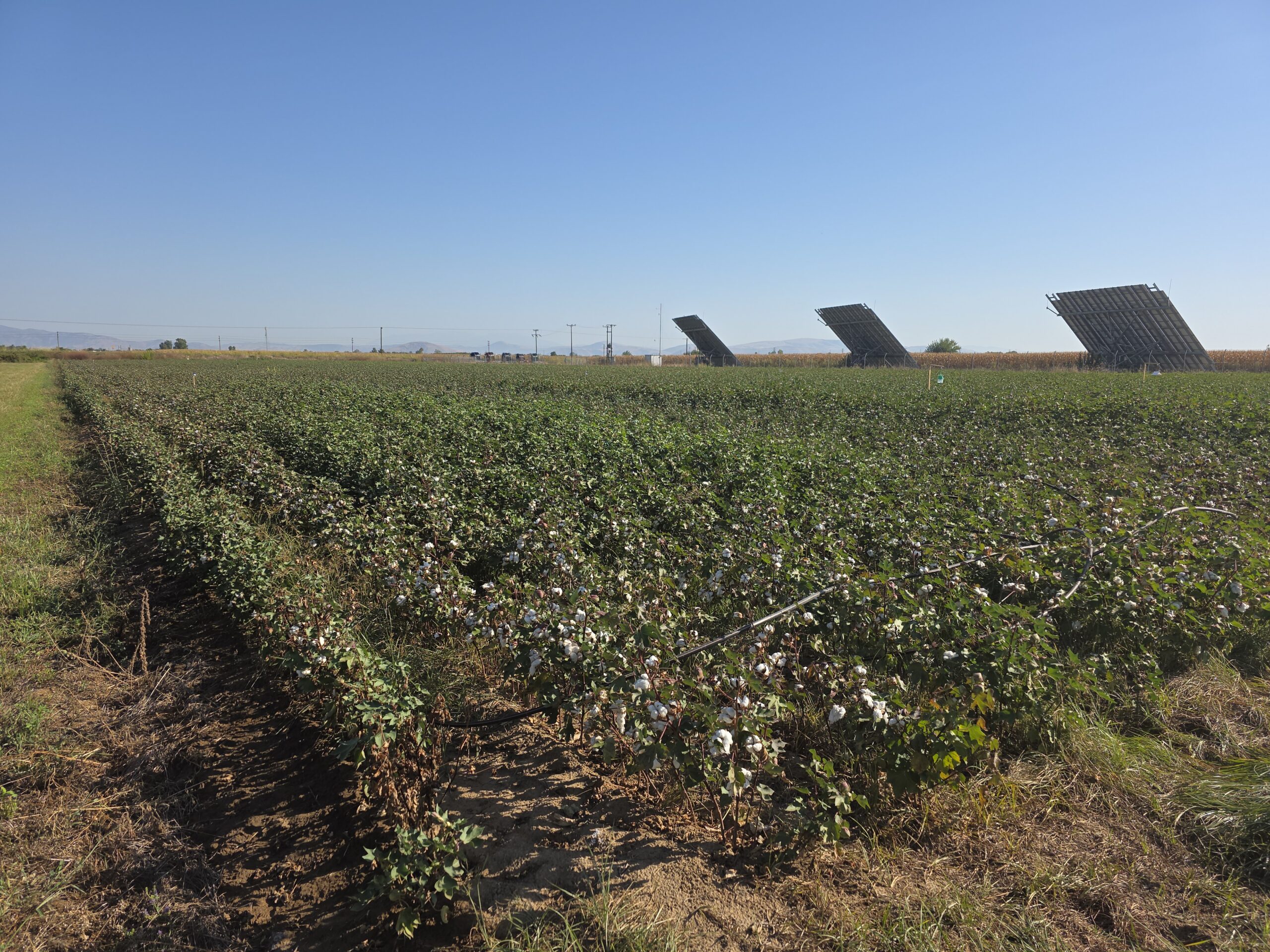
The Greek Living Lab led by UTH works on cotton in Thessaly. Its focus areas are water-efficient digital irrigation and value chain innovations that strengthen the position of farmers in the chain. Several ideas in Prof. Vlontzos’ article, such as collective input purchasing, shared machinery services, uniform production protocols and drip irrigation, echo themes at the core of GREENCOOP’s work on cooperation-based business models.
Find out more about GREENCOOP and its Living Labs at www.greencoopeu.eu.
Source and credits
This article was first published in Greek as Υπάρχει μέλλον για το ελληνικό βαμβάκι; in Ελληνικό Βαμβάκι: Η επόμενη μέρα, a special supplement of the newspaper Ύπαιθρος Χώρα (25 September 2026, pp. 28–29). The full supplement, in Greek, is available on the publisher’s website: www.ypaithros.gr/ekdoseis. English translation by the GREENCOOP team at the University of Thessaly, published with the kind permission of the author and the publisher.
The views expressed in the article are those of the author.
Funded by the European Union.
GREENCOOP has received funding from the European Union’s Horizon Europe research and innovation programme under grant agreement No 101182021. Views and opinions expressed are however those of the author(s) only and do not necessarily reflect those of the European Union or the European Research Executive Agency (REA). Neither the European Union nor the granting authority can be held responsible for them.
Take a look at some photos form Thessaly Living Lab